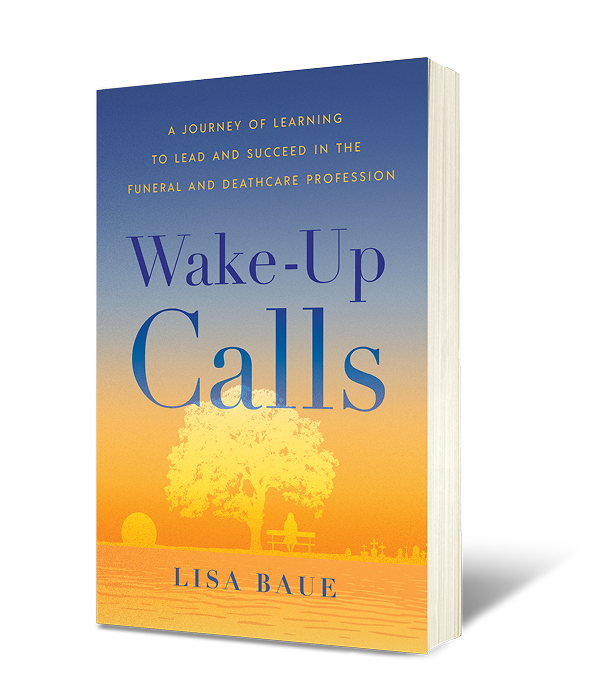
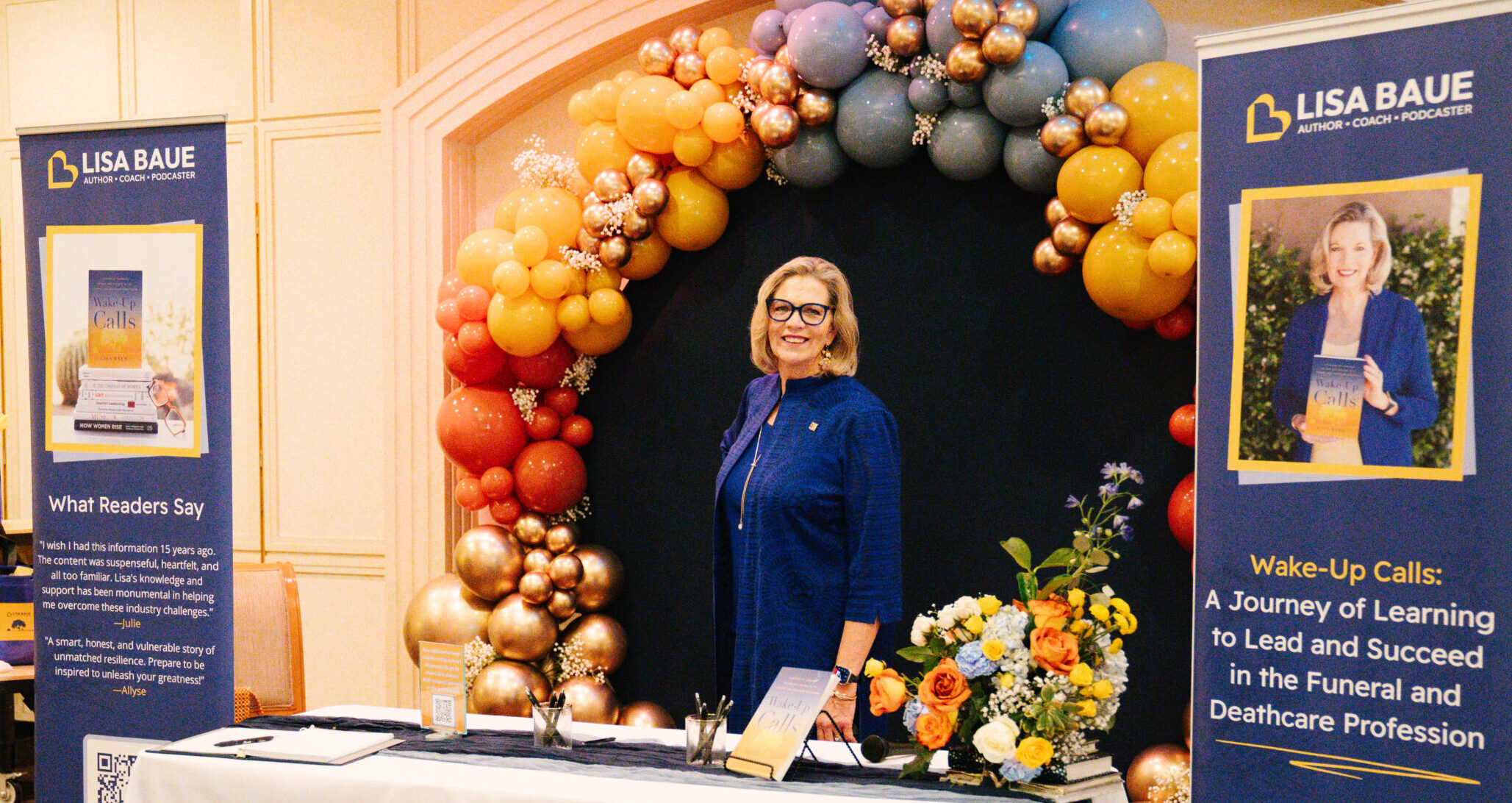
Last year, I became an author.
That’s still strange for me to write.
I didn’t set out thinking, One day I’ll publish a book.
I didn’t grow up imagining my personal story in print, held in other people’s hands, discussed in rooms I’ve never entered.
And yet, here I am.
Writing Wake-Up Calls was one of the most personal things I’ve ever done. Seeing it published was both exciting and uncomfortable. It required me to share parts of my story I had quietly carried for years, moments of doubt, leadership lessons learned the hard way, and the internal wake-up calls that shaped who I am today.
What surprised me most wasn’t seeing my name on the cover.
It was seeing how deeply others connected to it.
Watching people hold the book.
Hearing women say, “I thought I was the only one.”
Having conversations sparked by something that once lived only in my own journal.
That experience changed how I think about leadership and how I think about beginnings.
Why January Matters More Than We Admit
January has a lot of pressure attached to it. Big resolutions. Big promises. Big declarations about who we’ll be by December.
But what I’ve learned, both as a leader and now as an author, is that real change doesn’t come from grand declarations. It comes from quiet, intentional practices that help us listen more closely to ourselves and others.
That’s why, when I think about goal setting for January, I don’t think about doing more.
I think about seeing more clearly.
How I Approach Goal Setting Now
Over the years, and especially after writing my book, my approach to goal setting has evolved. It’s become more layered, more honest, and more human.
Here are a few practices I return to every January, not because they’re trendy, but because they work.
1. Vision Boards: Seeing Before Doing
I’m a visual person. Words matter to me but so do images.
A vision board helps me see what I’m working toward before I try to build it. It’s less about perfection and more about direction: what I want more of, what I’m ready to release, and what kind of leader I want to be this year.
Sometimes clarity comes through images long before it comes through language.
2. Finding My Word for the Year
Each year, I choose a single word, not as a slogan, but as a guide.
It becomes a filter for decisions, boundaries, and priorities. When things get busy or complicated (and they always do), that word brings me back to center. The question I ask myself is simple:
Does this align with how I want to lead this year?
3. Getting Quiet Before Setting Goals
Before I ask what I want to accomplish, I ask what I need.
That means getting quiet, journaling, walking, reflecting, without an agenda. Some of my most important leadership goals have emerged not from planning sessions, but from stillness.
Clarity doesn’t shout. It whispers.
4. Asking for Leadership Feedback
This one takes courage.
Each January, I ask a few trusted supervisors, colleagues, or collaborators:
Where do you see me leading well and where could I grow?
It’s not always comfortable. But it’s always illuminating.
Leadership isn’t just how we experience ourselves. It’s how others experience us.
5. Using Assessments for Self-Insight
Leadership and professional assessments have helped me name strengths I take for granted and growth areas I might otherwise avoid.
They don’t define us, but they can inform us. And insight is one of the most generous gifts we can give ourselves as leaders.
6. Reading With Intention
As an author, reading has taken on new meaning for me.
Each January, I set a short, intentional reading list of leadership books, essays, or voices that challenge my thinking and expand my perspective.
Learning from others reminds me that leadership is a shared journey, not a solo climb.
7. Asking for Advice (Out Loud)
One thing writing a book reinforced for me is this: none of us get here alone.
I make a point to reach out to mentors, peers, and trusted leaders and simply ask:
What has helped you grow as a leader? What do you wish you had done sooner?
The answers are always generous and often exactly what I need to hear.
Leading With Heart, On Purpose
As we step into a new year, I’m less interested in perfect plans and more interested in intentional leadership, leadership that is thoughtful, grounded, and rooted in both self-awareness and service.
If there’s one thing becoming an author taught me, it’s this:
Our stories matter.
Our growth matters.
And the way we choose to lead, especially in demanding professions, shapes more than we realize.
So as you begin this year, I invite you to ask not just What do I want to do?
But Who do I want to be while I do it?
That’s where real leadership begins.
— Lisa